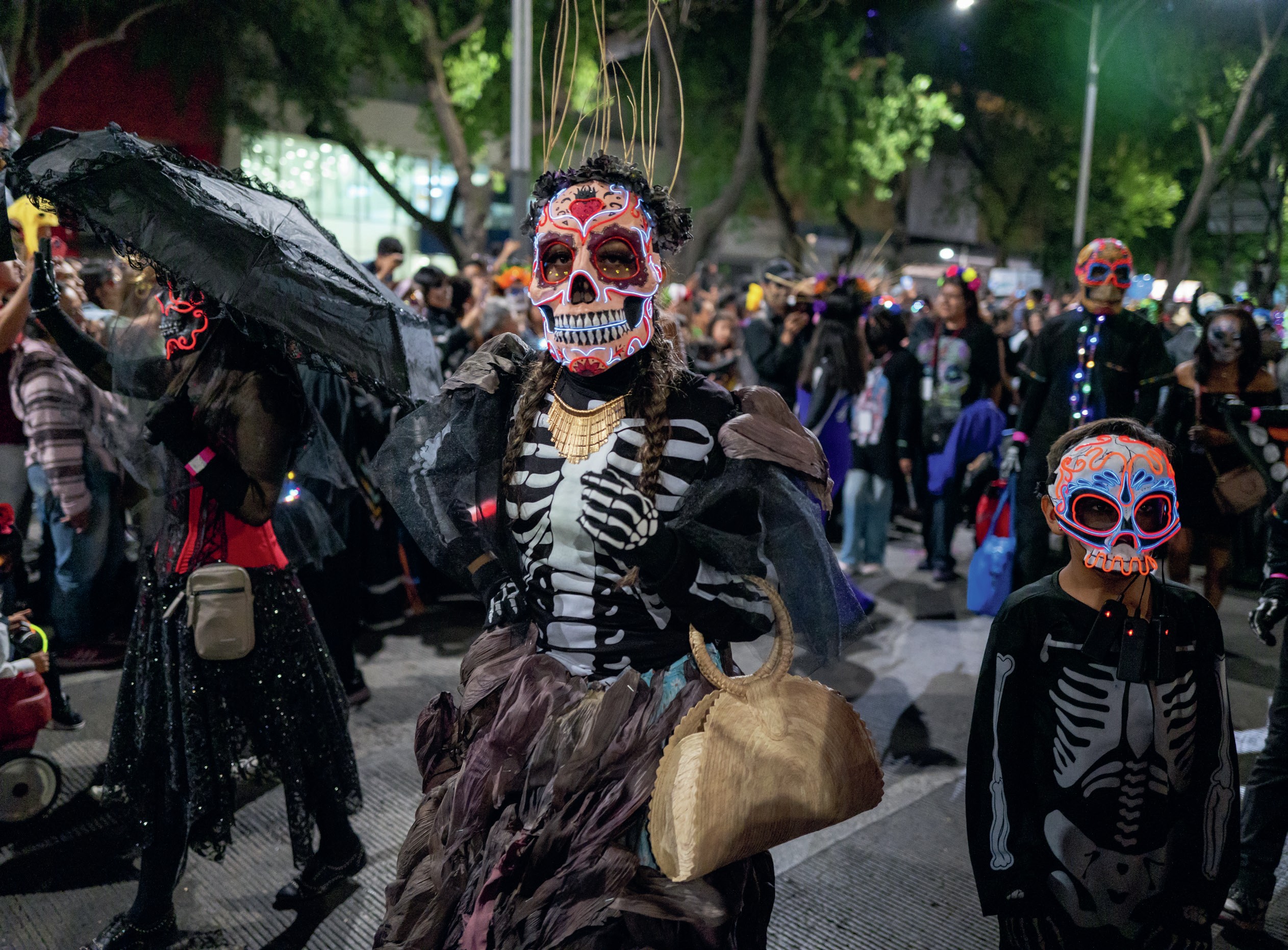
Do you celebrate Samhain or the Day of the Dead? Or are you horribly fascinated by the history of human suffering and death revealed at the London Dungeon? If so, you are far from alone. The study of dark events and the broader field of dark leisure is now a thing in psychology. Dark events can be defined as ‘organised events that are linked to death, disaster and suffering’ (Kennell and Šuligoj 2024). Such events range from light-hearted themed pub nights, at one end of the spectrum, through to ghost tours and, at the more extreme end of the spectrum, immersive simulations of torture and murder.
Even generally positive and cheerful people are often attracted to ‘dark events’. But why should this be? It is counterintuitive to seek out potentially depressing situations. In the case of traditional horror films, their appeal can be easily explained in terms of spikes in dopamine, serotonin, oxytocin and endorphins in response to scares. But the same can’t be used to explain the appeal of dark events because they are not particularly scary. So, we need further explanation to understand their appeal.
Your organisation does not have access to this article.
Sign up today to give your students the edge they need to achieve their best grades with subject expertise
Subscribe