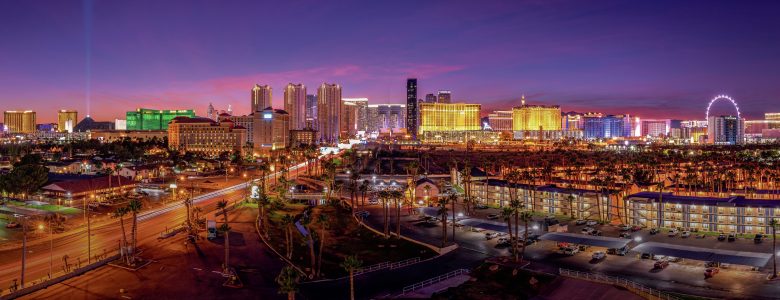
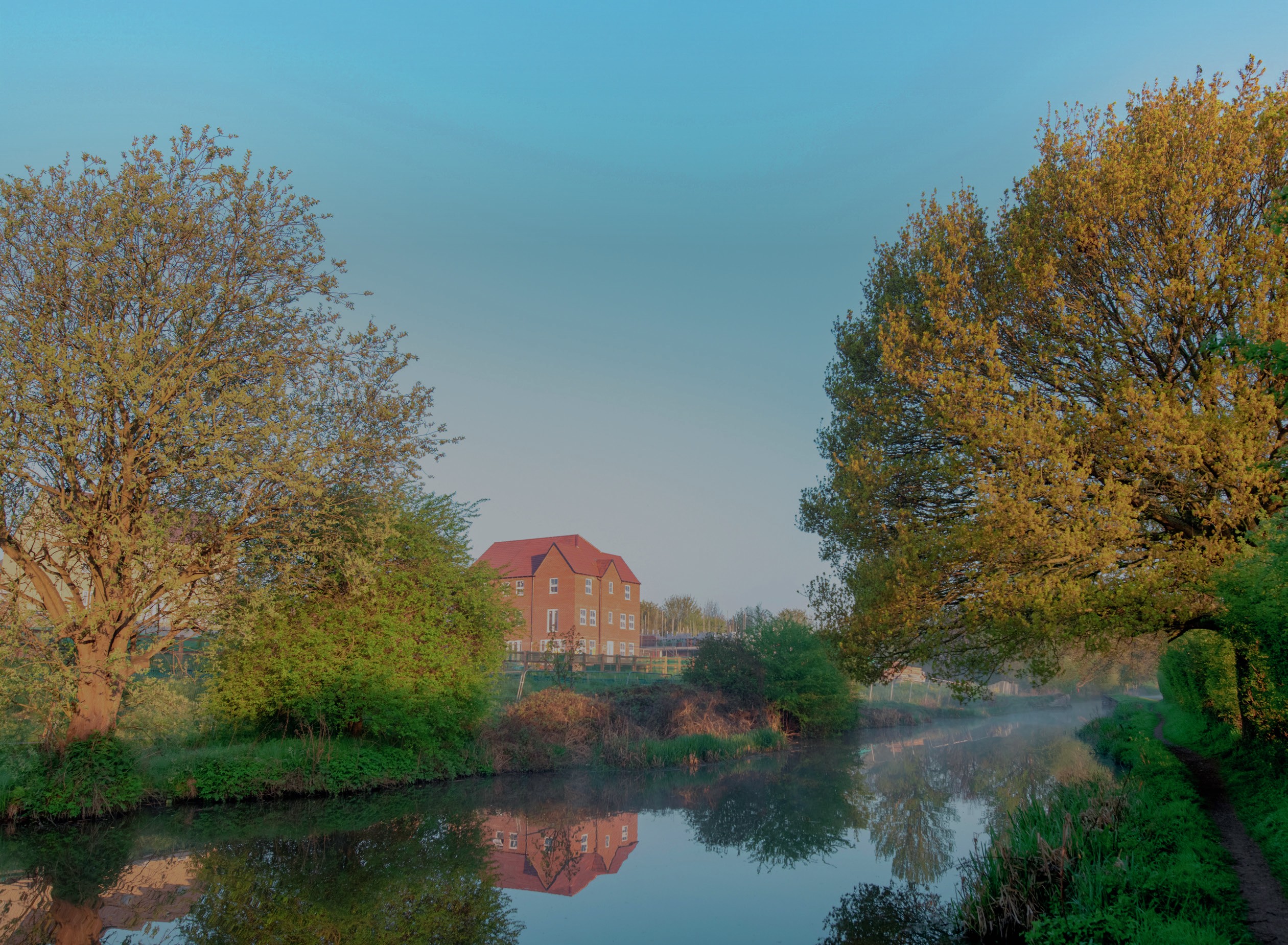
P eople around the world are becoming increasingly aware of the immense value of green spaces. These areas not only enhance biodiversity and help to tackle climate change, but also play a crucial role in supporting people’s health and wellbeing. Sadly, our green spaces are under increasing pressure due to rapid urbanisation and population growth, which lead to the conversion of natural landscapes into residential, commercial and industrial areas. In response, governments are prioritising the integration of green spaces into urban development projects and seeking innovative ways to add more greenery into our towns and cities.
Although the term ‘green space’ seems straightforward, you might be surprised to find that it encompasses a wider range of features and landscapes than you first thought. It is not only parks, fields and forests that are classed as green spaces, but also gardens, hedges, street trees, allotments, lakes, ponds and coastal habitats, to name a few.
Your organisation does not have access to this article.
Sign up today to give your students the edge they need to achieve their best grades with subject expertise
Subscribe