
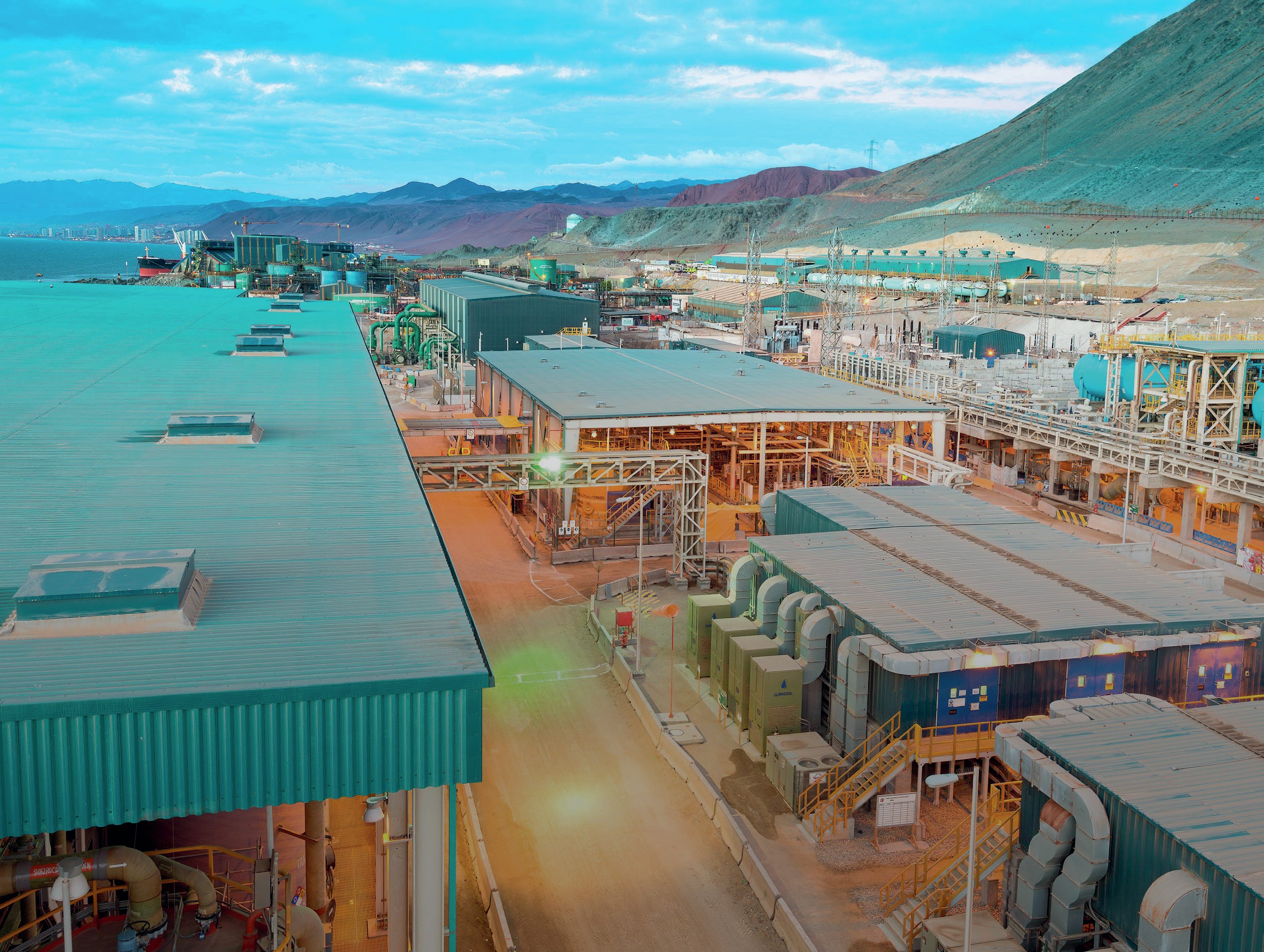
Desalination is a technological process that creates freshwater suitable for multiple uses by removing salt and other minerals from saltwater (seawater or brackish water). In 2023, the International Desalination and Reuse Association reported that there were almost 22,000 desalination plants operating in 177 countries.
While the water security, climate change adaptation and sustainability benefits of desalination are often lauded by proponents, the actual social and environmental benefits have been more mixed. Concerns have been expressed about brine disposal, CO2 emissions and the physical displacement of people whose livelihoods depend on the oceans. A final concern is related to governance. Who is meaningfully involved in the associated decision-making processes?
Your organisation does not have access to this article.
Sign up today to give your students the edge they need to achieve their best grades with subject expertise
Subscribe