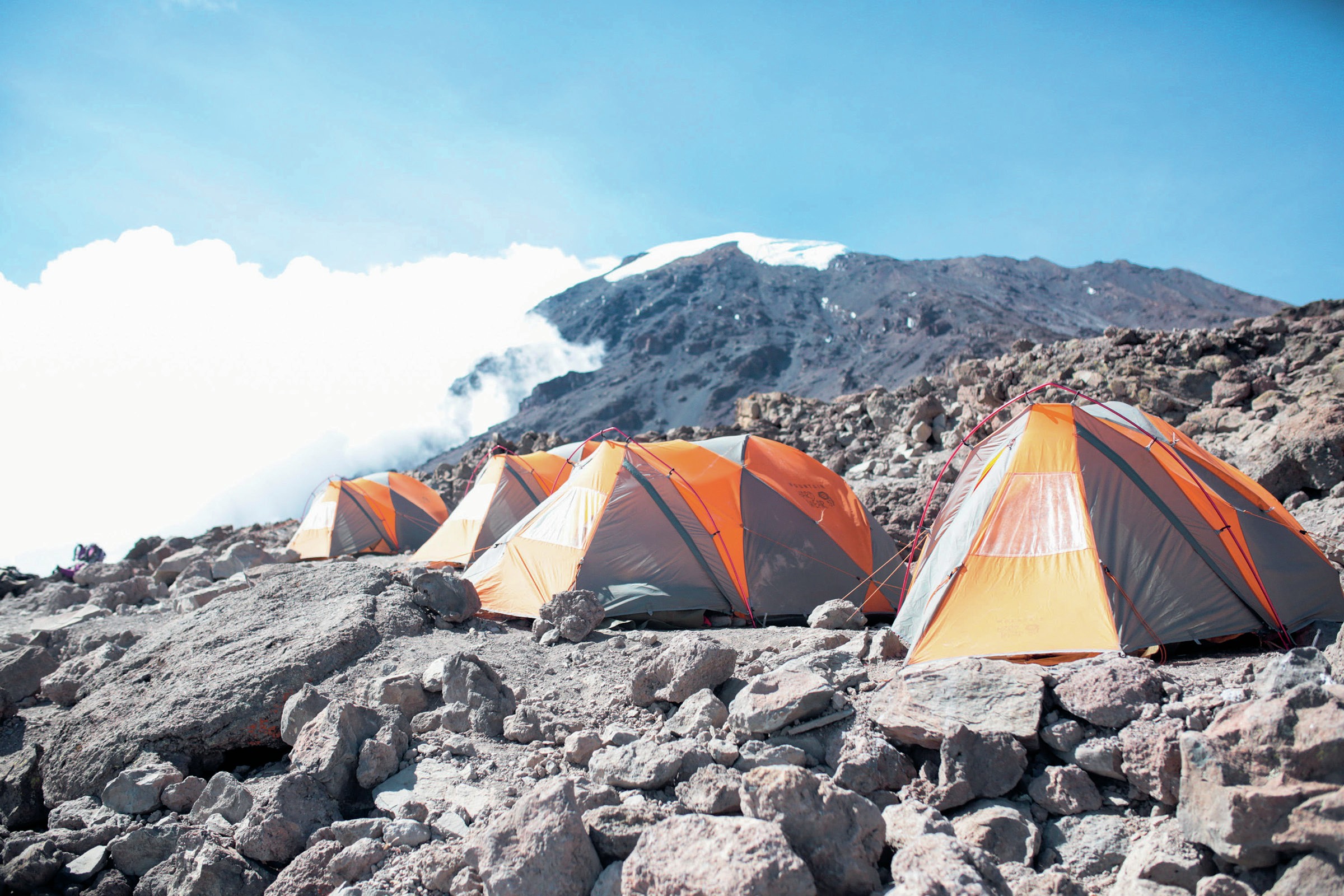
Mt Kilimanjaro, located in Tanzania, is the highest mountain in Africa and one of the most iconic peaks in the world. Standing at 5,895 meters (19,341 feet), it attracts more than 50,000 climbers each year who hope to reach its snow-capped summit. While this has brought economic benefits to the region, the high number of tourists is causing serious environmental and social damage. This is an example of unsustainable tourism – tourism that causes long-term damage to nature, local cultures, or the economy.
One of the biggest problems on Kilimanjaro is pollution caused by inadequate waste disposal. Thousands of climbers trek up the mountain every year, and many do not follow proper waste disposal practices. They leave behind litter such as plastic bottles, food wrappers and even human waste. The Kilimanjaro Porters Assistance Project (KPAP) has reported that some trails have become so polluted they are jokingly called ‘toilet trails.’ This waste is both unpleasant and harmful to wildlife and plants on the mountain.
Your organisation does not have access to this article.
Sign up today to give your students the edge they need to achieve their best grades with subject expertise
Subscribe