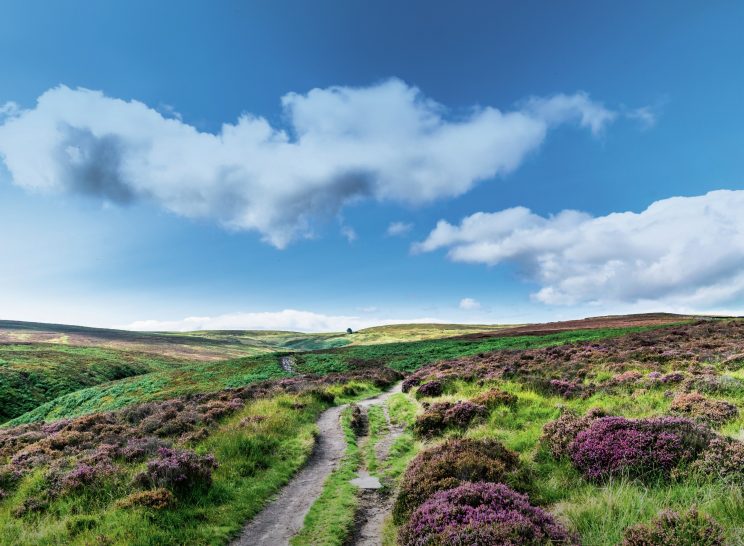
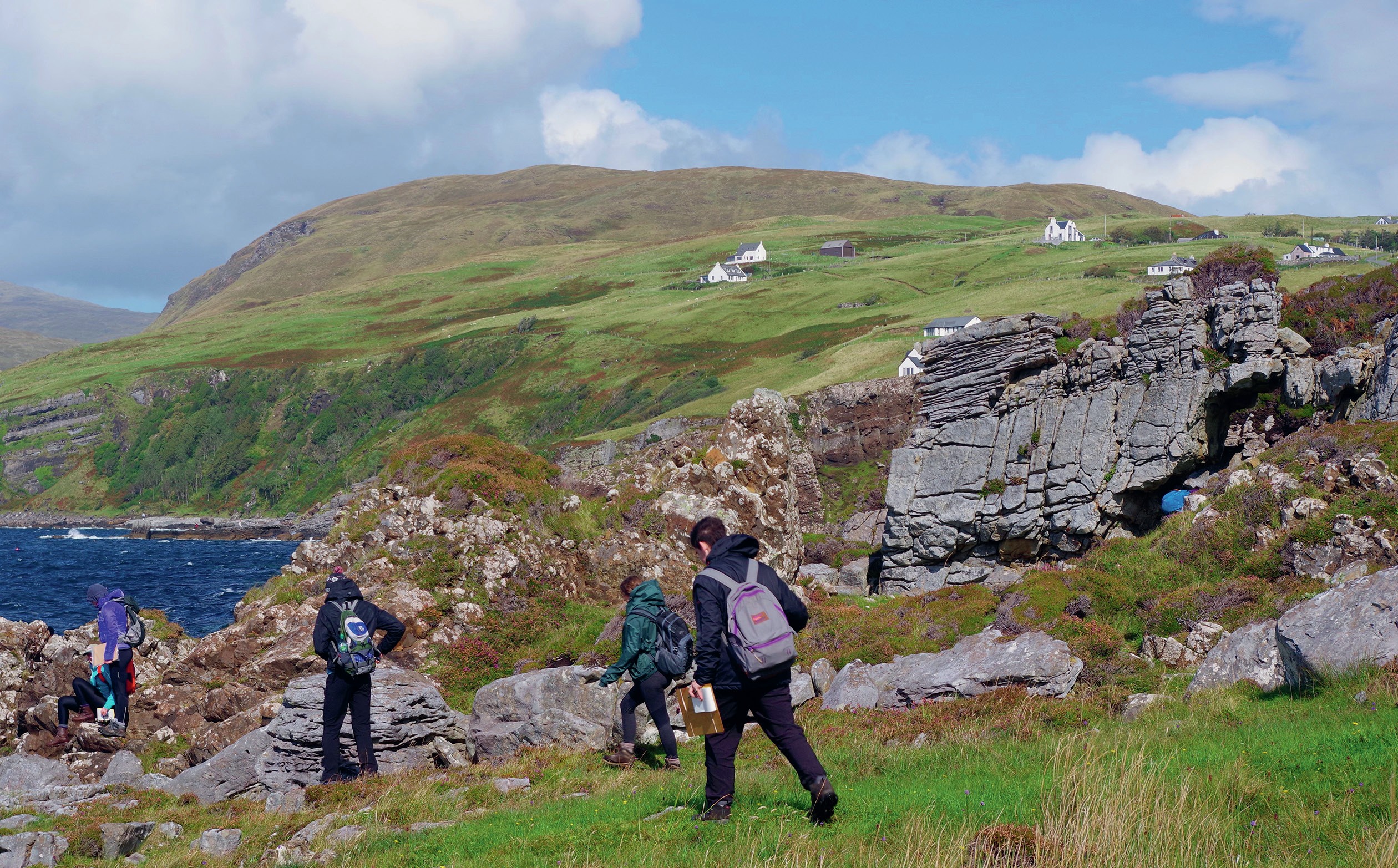
The term qualitative data refers to the information that geographers use and collect that is based around words. This means it might be descriptions of a feature or a human behaviour, or it might be a quote or an opinion that has come directly from someone with particular geographical experiences or ideas. It can be a list of words or phrases or it can be a more detailed paragraph of facts and viewpoints. Qualitative data can be very useful as it can give more specific information about a place or people than numerical (or quantitative) data may provide on its own.
Data that is collected during fieldwork is often first seen as raw data. This means that nothing has been done to it and it is simply information that has been recorded on a page or on a device, straight from the fieldtrip. Raw data is not always easy to understand and so data presentation methods are used to make it easier for the reader to understand the geography they are observing. Good presentation of qualitative data, such as the opinions of a group of people, will allow us to see where there are areas of agreement and disagreement. If we can effectively present descriptions of a place, we will be able to understand how local people and visitors might view the area.
Your organisation does not have access to this article.
Sign up today to give your students the edge they need to achieve their best grades with subject expertise
Subscribe