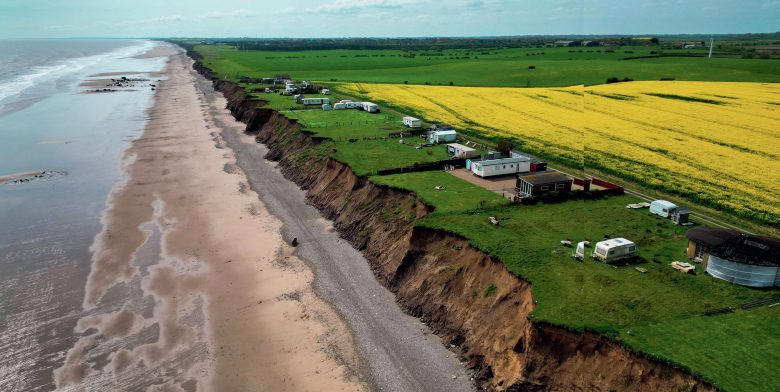
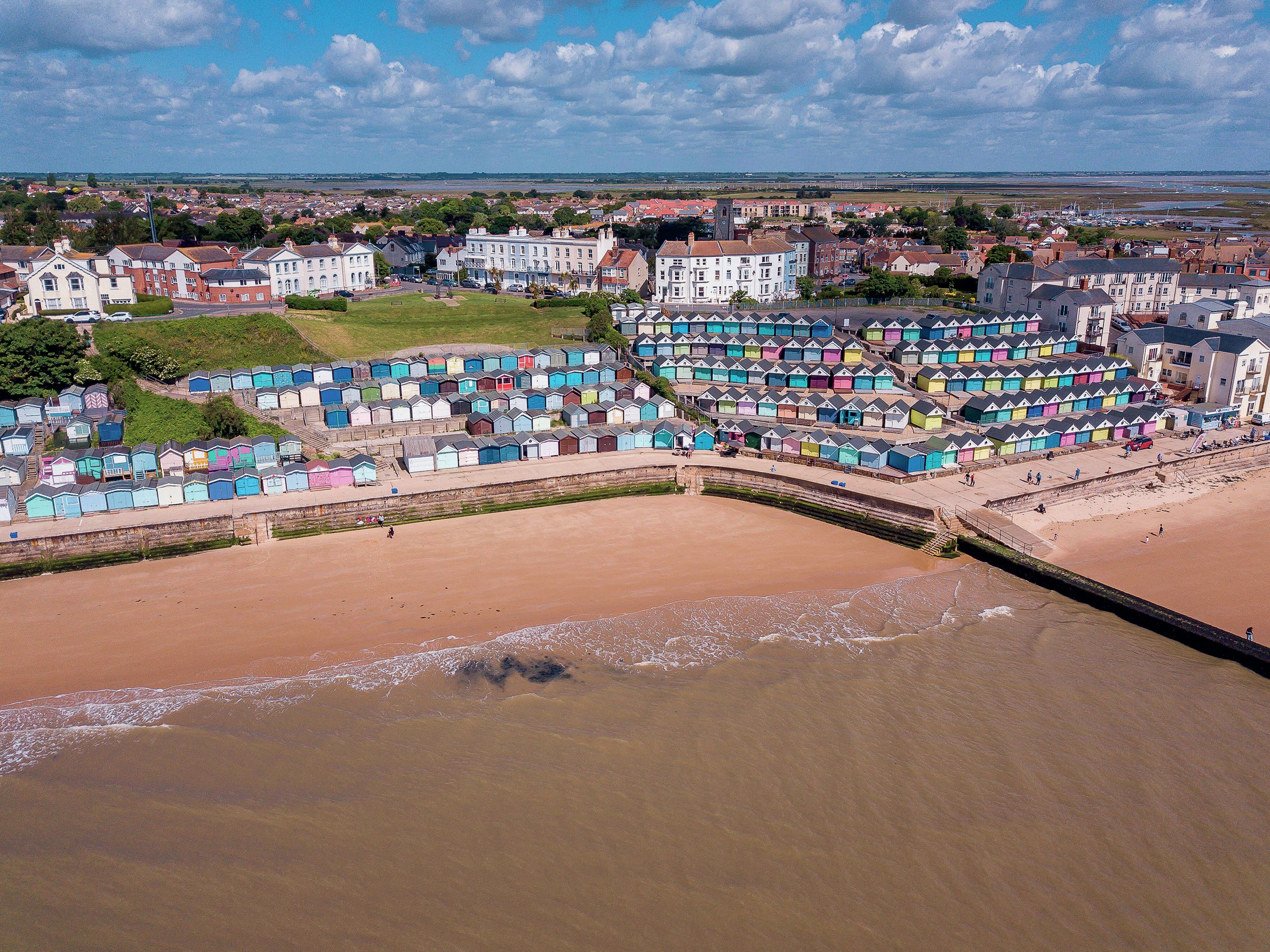
Walton-on-the-Naze is a seaside town on the Essex coastline sitting just south of the Naze – a headland whose name comes from the Old English word for ‘nose’. It is the erosion of this headland that makes Walton-on-the-Naze an interesting place to study.
The town once lay inland, but centuries of erosion have brought the sea closer. The cliffs at Walton are formed from London Clay (50 million years old) and Red Crag (3 million years old). These rocks formed when sediments dropped onto an ancient seabed and were very slowly turned to rock by chemical and physical processes. Tectonic forces then moved them upwards so that the rock layers were exposed.
Your organisation does not have access to this article.
Sign up today to give your students the edge they need to achieve their best grades with subject expertise
Subscribe