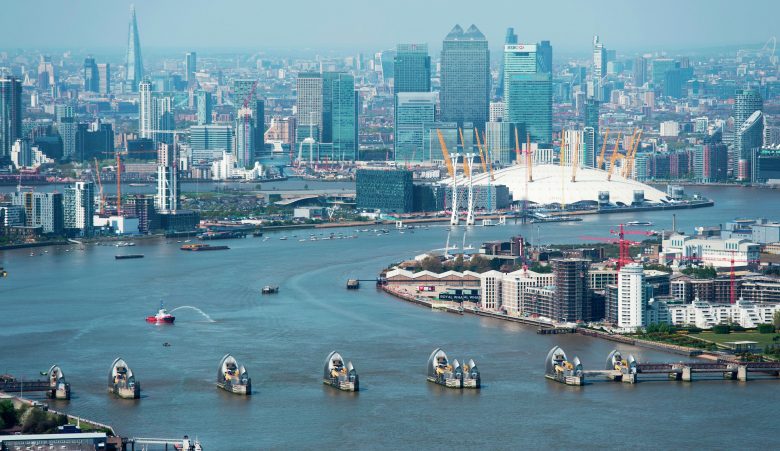
With a population of around 124 million, Japan is the eleventh-most populous country in the world. Its population began to increase steadily after the Second World War as improvements in living standards led to increased life expectancy. This was driven by strong economic growth, sometimes referred to as the Japanese Economic Miracle, which helped Japan become the world’s second-largest economy by 1970. The country became a world leader in technology, with brands such as Sony and Toyota becoming global household names.
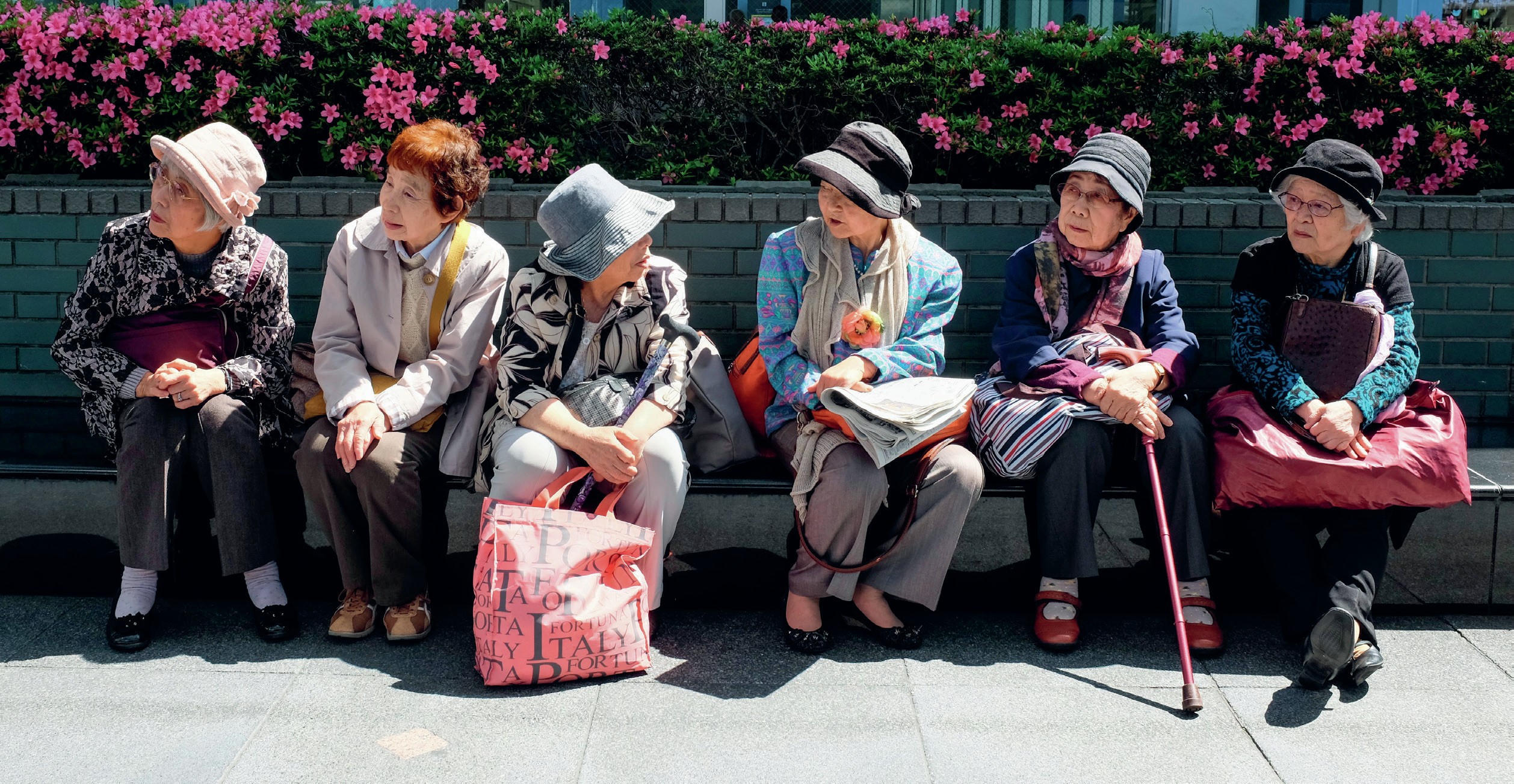
However, the economic success that Japan enjoyed during the second half of the twentieth century was set against the backdrop of a falling birth rate, which led to a slowing population growth. By the early 2000s Japan’s population was falling, and with smaller numbers of children and young people the proportion of elderly people was on the increase. For example, in 2023 the population fell by about 500,000 people, and new births had fallen for 8 years in a row.
Your organisation does not have access to this article.
Sign up today to give your students the edge they need to achieve their best grades with subject expertise
Subscribe