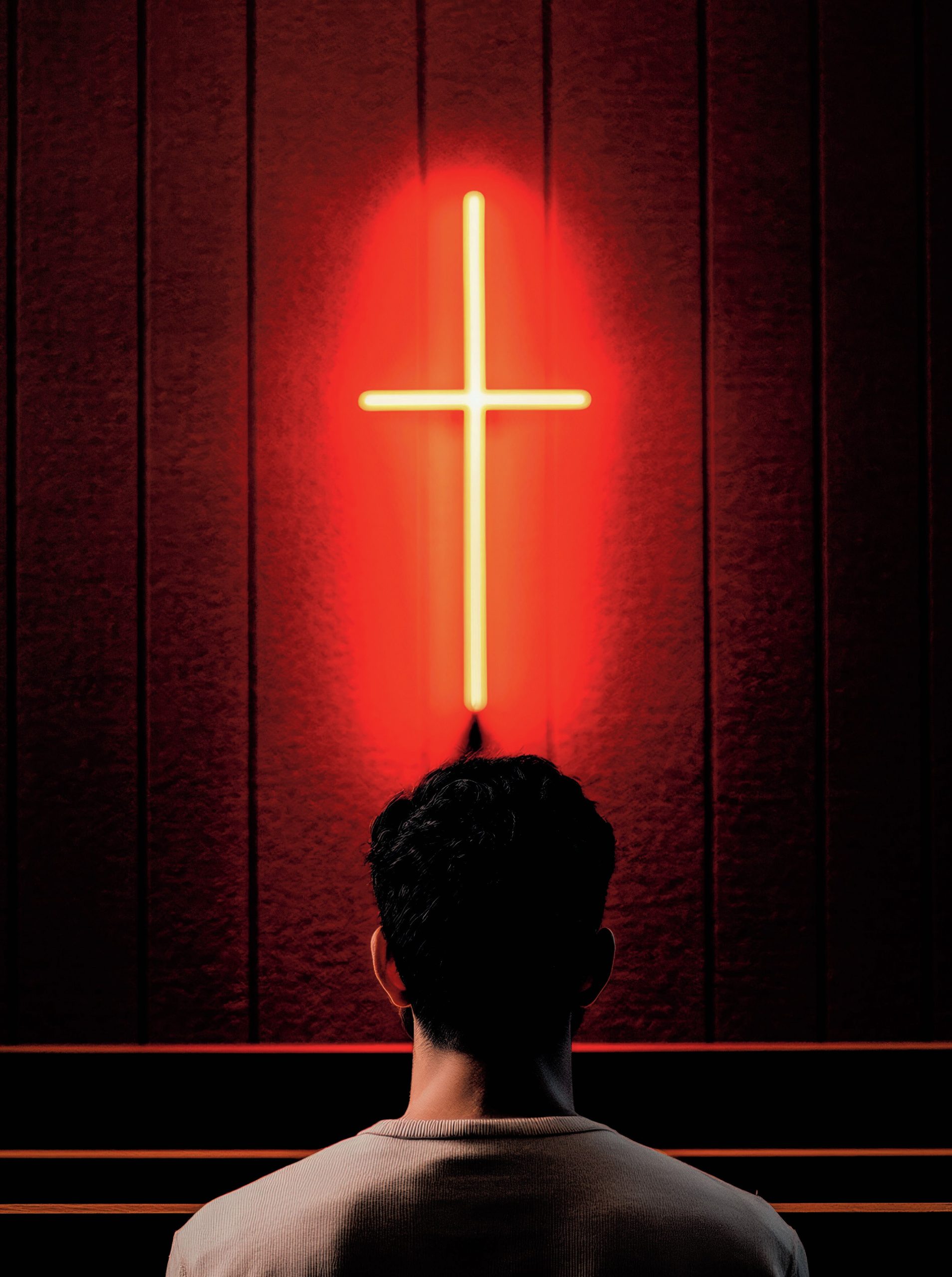
The theory of secularisation – the idea that the significance of religion would decline in Western societies – has a long history. Indeed, the theory can be traced back to the very first person to call the subject ‘sociology’, Auguste Comte. As early as the 1830s, Comte claimed that human societies passed through three stages, starting with religion and superstition being the dominant belief systems and ending with the positivist stage in which science would dominate human thinking.
Since then, the theory of secularisation has been modified, contested and debated, with numerous exceptions being suggested. Nevertheless, it has been widely argued that successive generations in Britain have become less religious, and that older people tend to be more religious than younger ones. However, a new survey has produced some surprising findings which may give supporters of the theory of secularisation pause for thought.
Your organisation does not have access to this article.
Sign up today to give your students the edge they need to achieve their best grades with subject expertise
Subscribe