
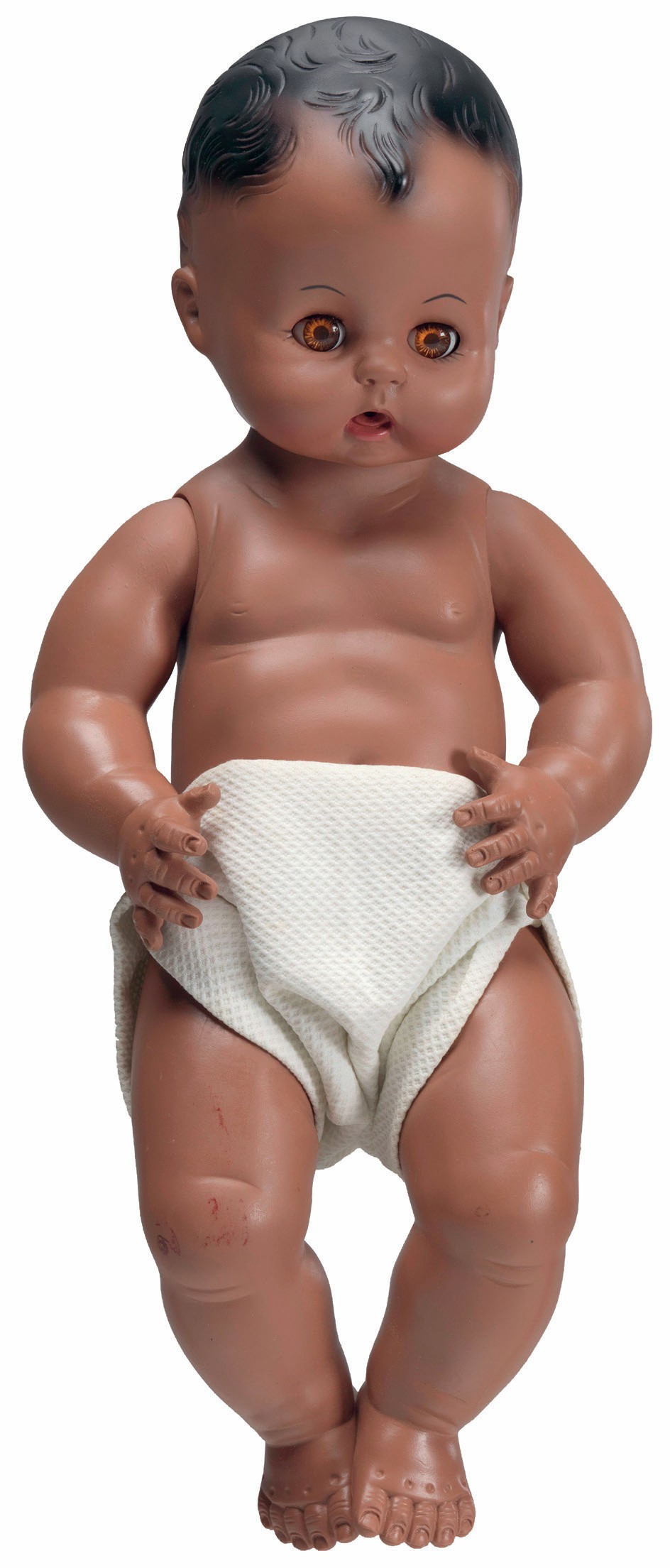
Few studies merit the status of producing fundamental psychological knowledge that all students should know. One series of studies (known as the ‘Doll studies’) have an unquestionable claim to be in this rank and are considered to have represented one of American psychology’s greatest triumphs. These studies highlight how institutional practices impact on our attitudes, thinking, motivations and behaviour. And these studies gave a boost to the US civil rights movement in the 1950s.
The researchers behind the doll studies were husband and wife, Kenneth Bancroft Clark and Mamie Phipps Clark. Their 1947 study asked African-American children (3–7 years old) to choose between four nappy-wearing dolls that were identical with the exception of skin tone and hair colour: ‘… two of these dolls were brown with black hair and two were White with yellow hair’. The requests that the children were given were ‘Give me the doll that …
Your organisation does not have access to this article.
Sign up today to give your students the edge they need to achieve their best grades with subject expertise
Subscribe