
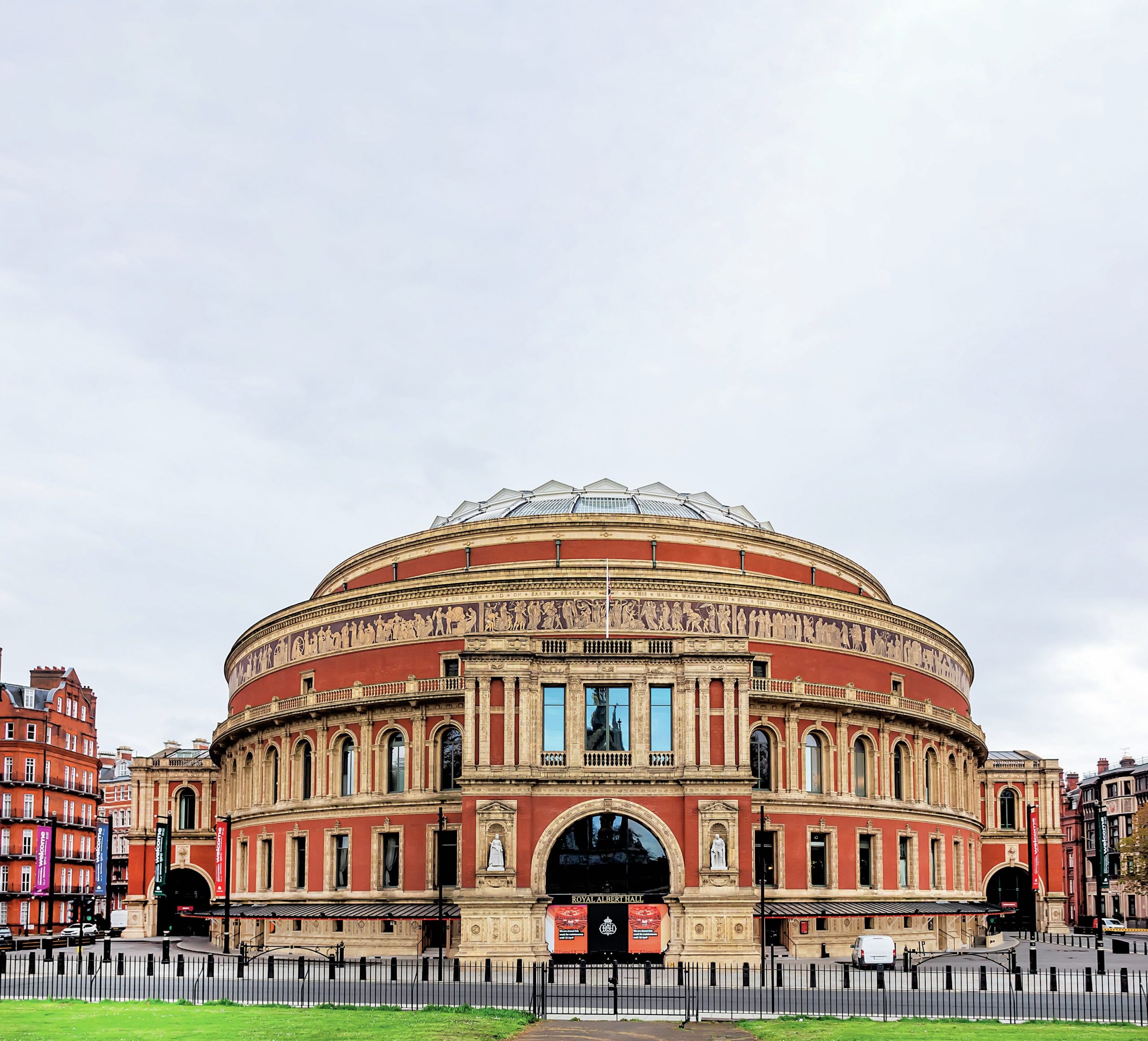
The Royal Albert Hall
© dbrnjhrj/stock.adobe.com
The terms in bold link to topics in the AQA, Edexcel, OCR, WJEC and CCEA A-level specifications, as well as the IB, Pre-U and SQA exam specifications.
Sound waves can be reflected and absorbed depending on the properties, such as density, of the materials they travel through and on the speed of sound in different materials. Sound intensity dies away in concert halls at a rate depending on the materials and the geometry of the space. Diffraction means that the way echoes travel around a concert hall also depends on the frequency and the wavelength of the sound.
Your organisation does not have access to this article.
Sign up today to give your students the edge they need to achieve their best grades with subject expertise
Subscribe