
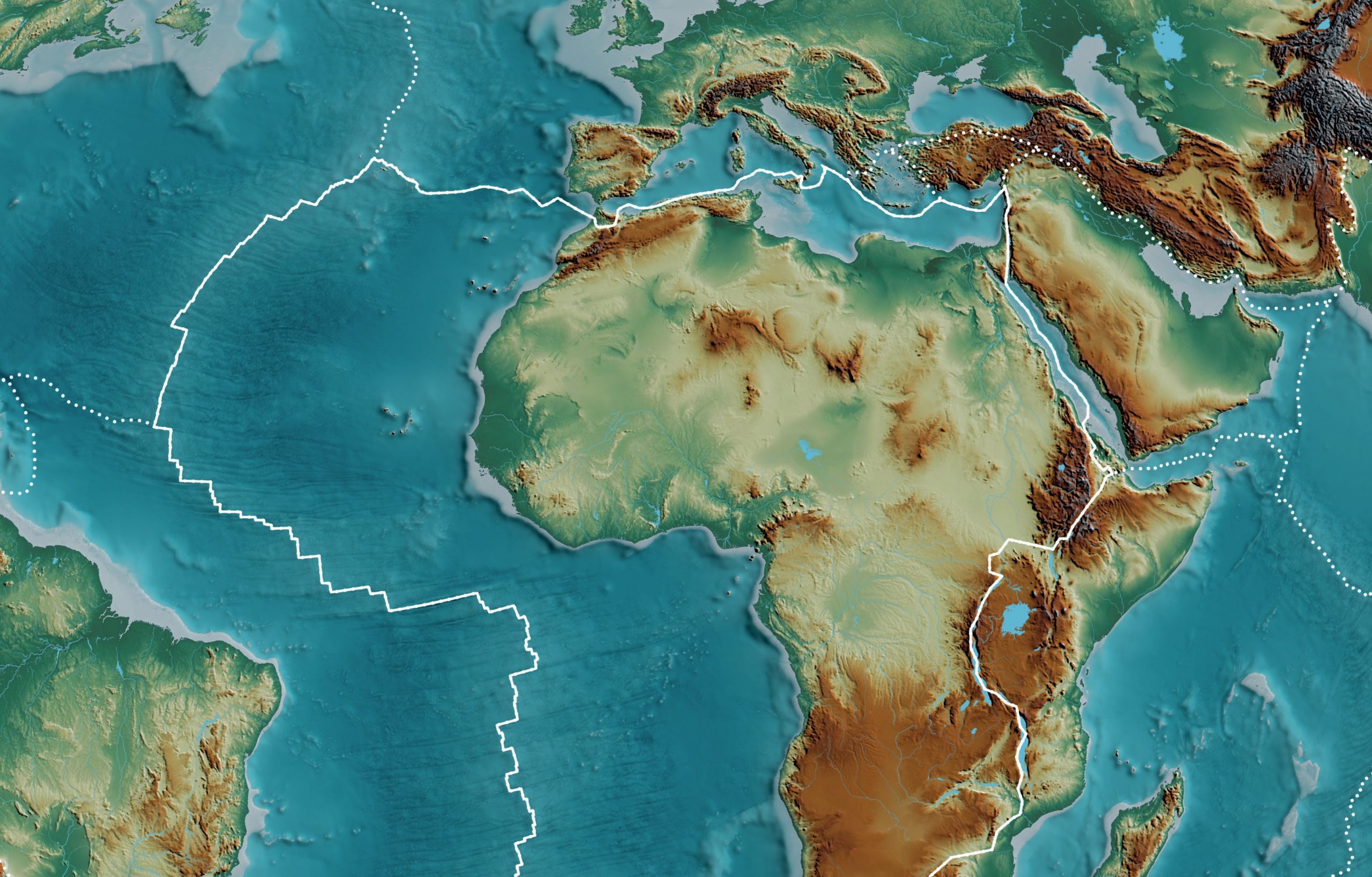
The theory of plate tectonics explains phenomena such as mountain building, volcanoes and earthquakes. Have you ever looked at a map of the world and noticed that the American continents, on one side of the Atlantic, and the European and African continents, on the other side, look as though they fit together like pieces of a jigsaw? Lots of people have thought so throughout history, but most of them assumed that it was impossible for the continents to move.
In 1912 Alfred Wegener proposed the theory of continental drift. He read a paper describing fossils of plants and animals in Africa and America, and realised that there were striking similarities between those found on either side of the Atlantic. He suggested that a supercontinent called Pangaea had split apart, and that the pieces moved away from each other. You can read about the theory on this National Geographic website:
Your organisation does not have access to this article.
Sign up today to give your students the edge they need to achieve their best grades with subject expertise
Subscribe