© Peter Jurik/stock.adobe.com
The terms in bold link to topics in the AQA, Edexcel, OCR, WJEC and CCEA A-level specifications, as well as the IB, Pre-Uand SQA exam specifications.
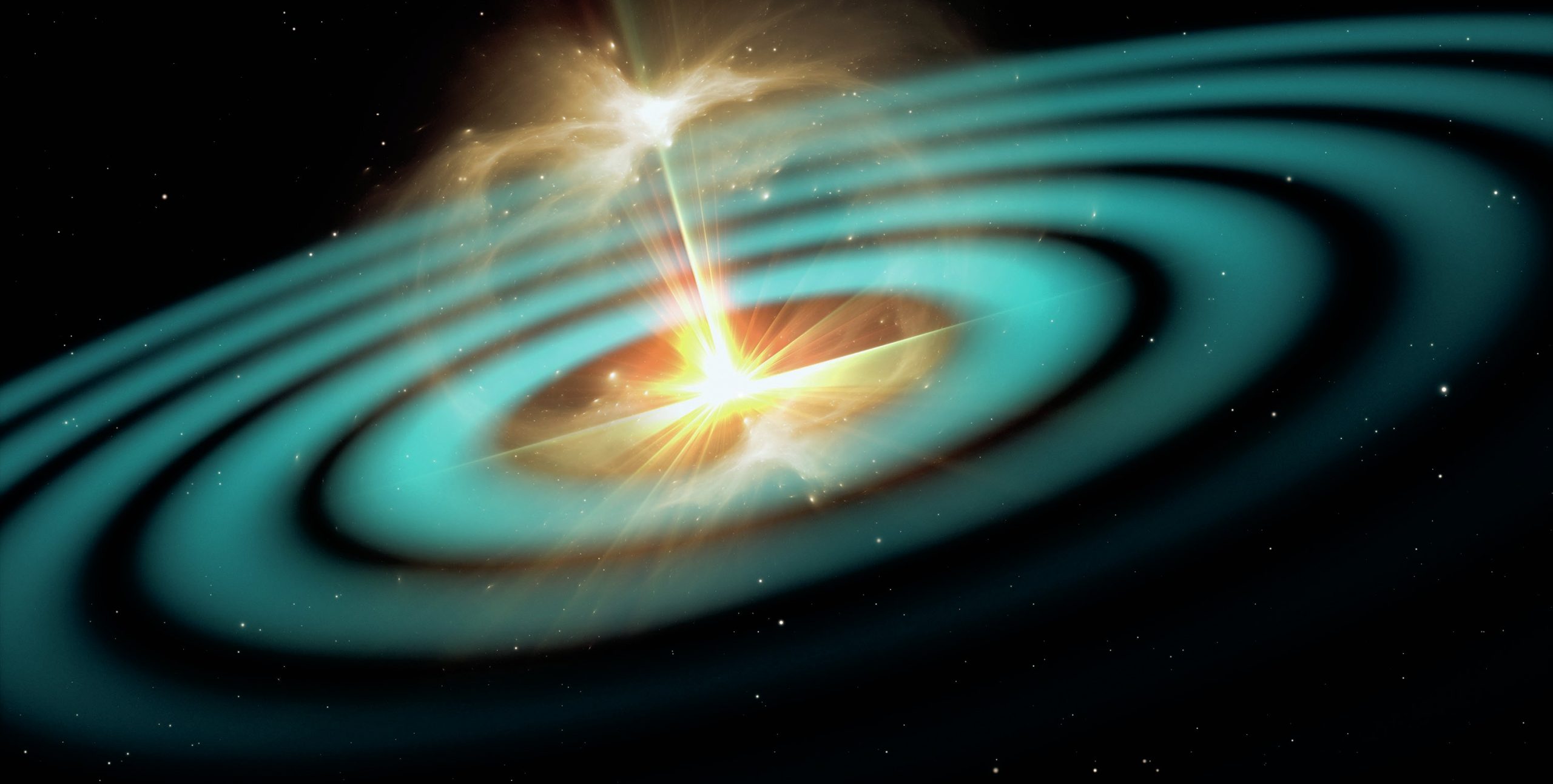
Gravitational waves are a prediction of Einstein’s general relativity. Accelerating masses produce gravitational waves, just as accelerating electrical charges produce electromagnetic waves. Because gravity is such a weak force compared with electrical forces, gravitational waves are very difficult to detect. The interference of laser light is used to measure the tiny effects of gravitational waves.
Your organisation does not have access to this article.
Sign up today to give your students the edge they need to achieve their best grades with subject expertise
Subscribe