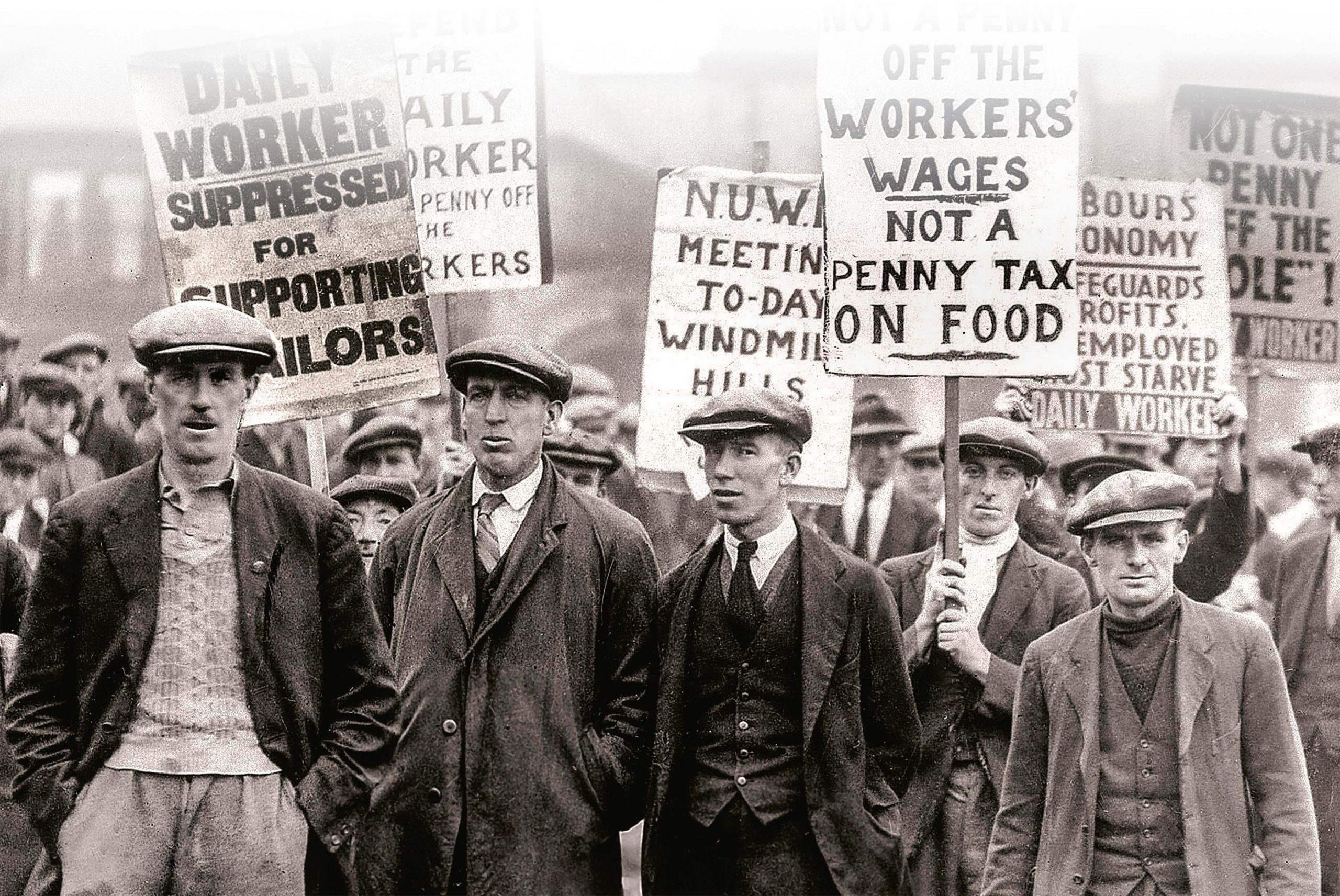
2026 witnesses the centenary of the only general strike in British history (to date). The origins of the strike lie in the fractious atmosphere of industrial relations from the Edwardian into the interwar period. The unions had been growing in strength and assertiveness, with membership rising from c.2 million in 1910 to 5.5 million by the start of the strike. In 1914, three major unions (dockers, transport workers and miners) formed the Triple Alliance in order to maximise their power to lobby for better conditions and pay.
The government had been drawn into industrial disputes before the war and its responsibility was magnified as the state took control of key sectors during the war. There was political instability, with five changes of government between 1918 and 1924, two being brought down by votes of no confidence. In addition, the economy was free-falling due to a major global depression leading to a slump in exports and rising unemployment.
Your organisation does not have access to this article.
Sign up today to give your students the edge they need to achieve their best grades with subject expertise
Subscribe