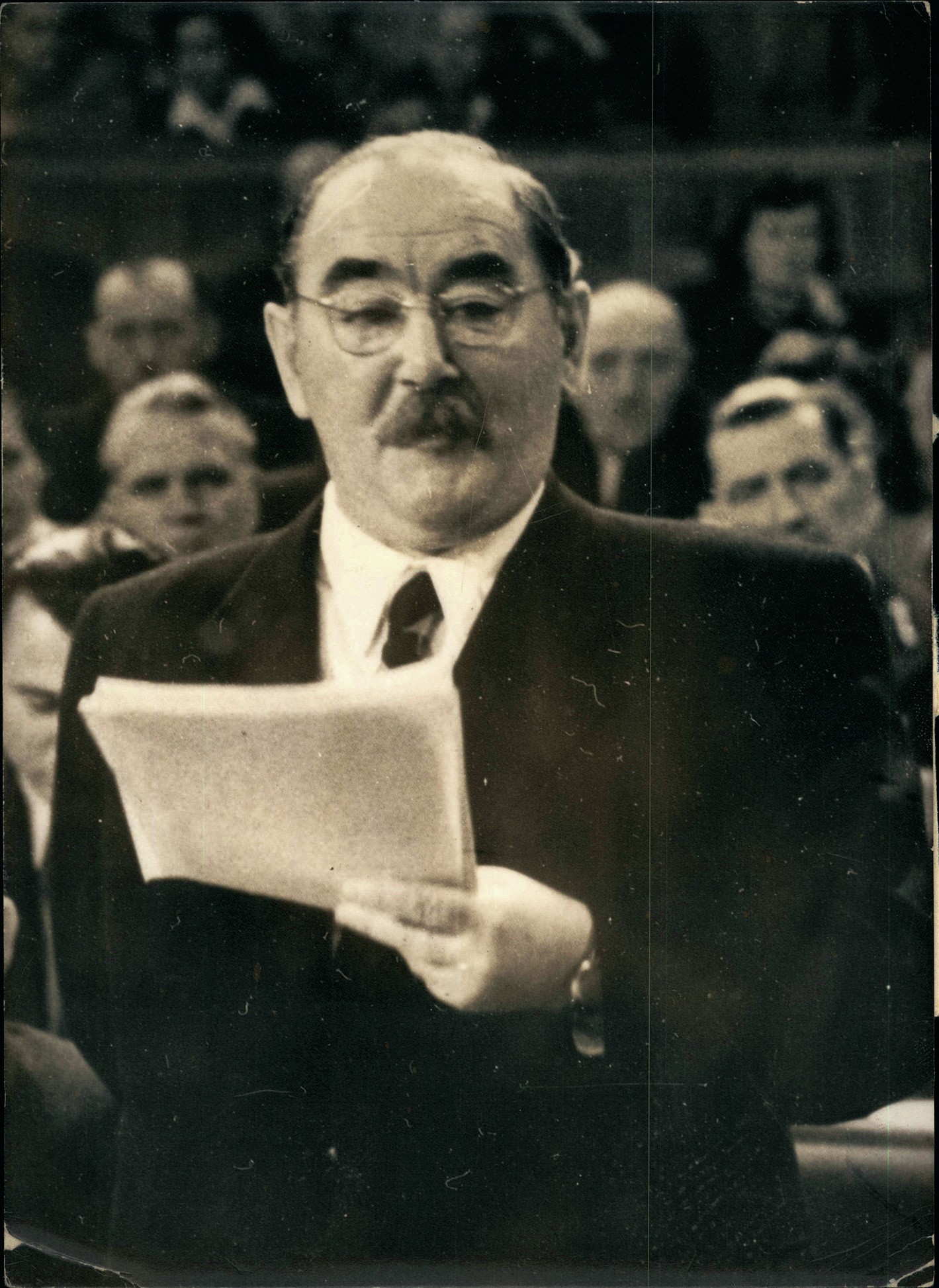
Nagy was the Soviet-backed prime minister of Hungary between 1953 and 1955, but he was forced out when he tried to relax the excesses of the Communist regime. When Hungary rose in revolution in 1956, Nagy was reappointed as prime minister and promised to withdraw from the Warsaw Pact. But the USSR was having none of it. Soviet troops invaded Hungary, Nagy was deposed, and he was eventually executed for treason as an example of what happened to those who stood up to Moscow.
As leader of Yugoslavia between 1943 and 1980, Tito was a hugely influential figure in Eastern Europe. His country was not a member of the Warsaw Pact, however. Stalin severed ties with the country in 1948 after Tito followed policies that did not align with the Soviet idea of communism. This made Yugoslavia more accessible to the West and a popular destination for adventurous tourists.
Your organisation does not have access to this article.
Sign up today to give your students the edge they need to achieve their best grades with subject expertise
Subscribe