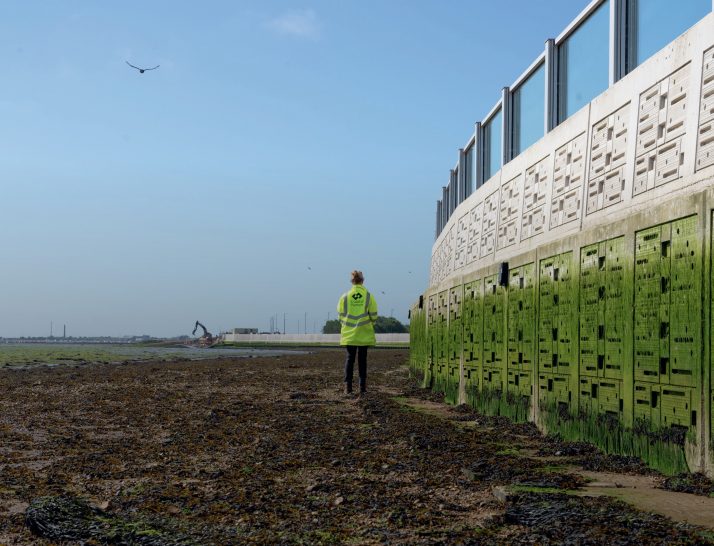
The construction of embankments along the Thames in Victorian London alleviated several problems. The Thames was used as an open sewer and the Great Stink of 1858 spurred Parliament to act. The embankments allowed Sir Joseph Bazalgette’s sewer system to be built underground, diverting waste away from the river and improving its health. In addition to incorporating parts of the London Underground, the embankments eased congestion by creating new roadways along the Thames.
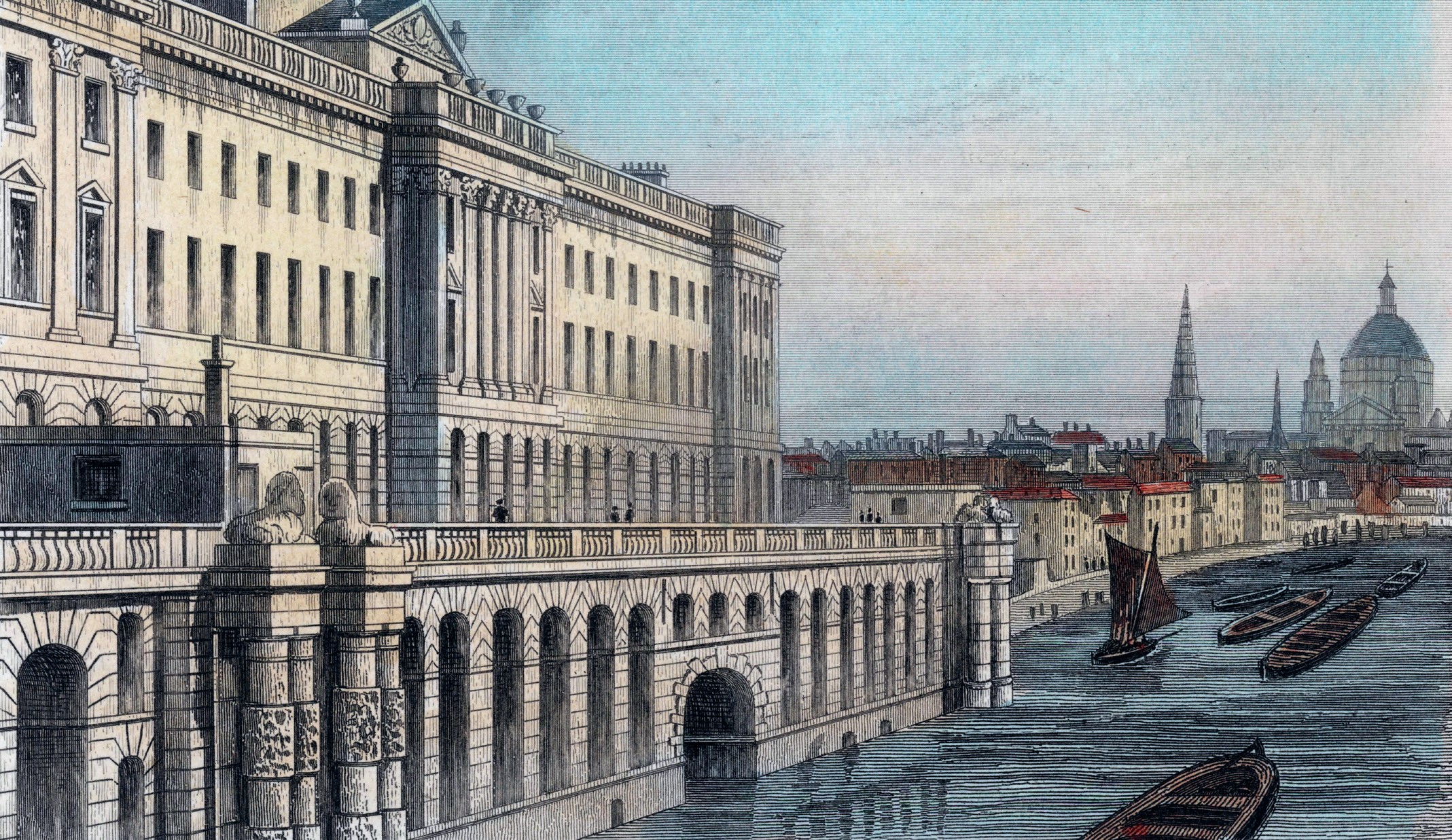
Somerset House is a grand neoclassical building from the Georgian era and one of the most elegant buildings in central London. When Sir William Chambers (1723–1796) designed the building, he made the riverside frontage its grand showpiece, with sweeping terraces and ceremonial staircases that led directly down to water gates on the Thames. During the 1800s, Somerset House was a hub of state administration, especially for taxation, and a home for learned societies including the Royal Society and the Geological Society.
Your organisation does not have access to this article.
Sign up today to give your students the edge they need to achieve their best grades with subject expertise
Subscribe