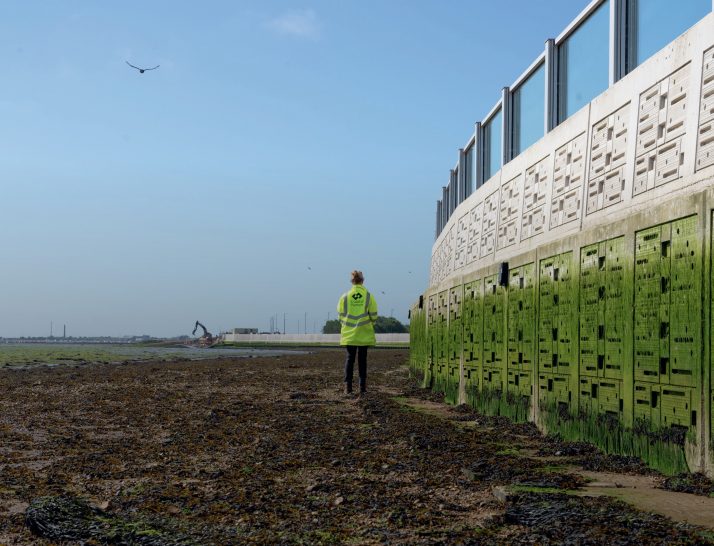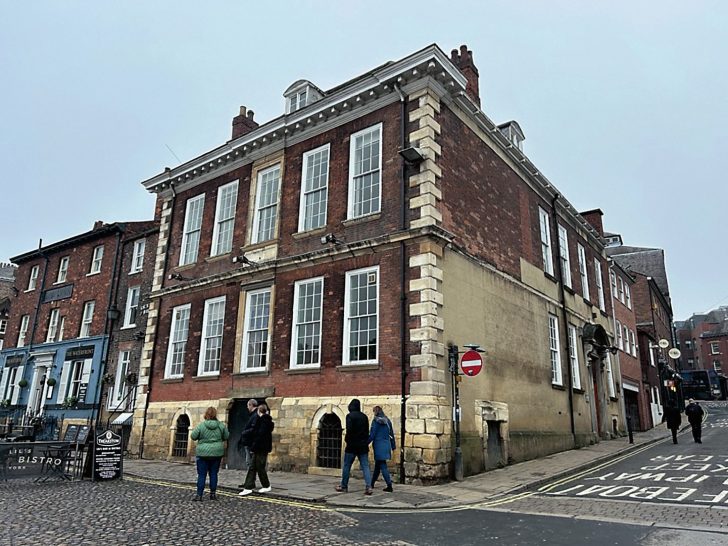
We tend to think of rivers as fixed elements in the landscape. If you cross a bridge on your way to school or work, the river is reliably there beneath you, and on our maps, rivers are reassuringly fixed blue lines. However, as Jamie Woodward shows in the ‘Centrepiece’ of this issue, over time river banks may move. This may occur naturally through meander migration and cutoffs, or it may occur through human action as in the Embankment example. The reason your river is reliably under your bridge is partly because the bridge works to constrain the flow.
In the UK, almost all of our rivers are heavily modified – some straightened to allow navigation or to reduce flooding at a point, others constrained by concrete embankments. Very often, the constraining of our rivers is associated with increasing urbanisation, as mobile rivers are not compatible with high-value property and infrastructure in cities. In many cases, rivers in our cities have been culverted (put into pipes) so that they are not visible from the surface. There is an increasing move to ‘daylight’ urban rivers by removing culverts and creating waterside spaces.
Your organisation does not have access to this article.
Sign up today to give your students the edge they need to achieve their best grades with subject expertise
Subscribe