
AQA (B): Paper 2 Elements of crime writing (The Murder of Roger Ackroyd)
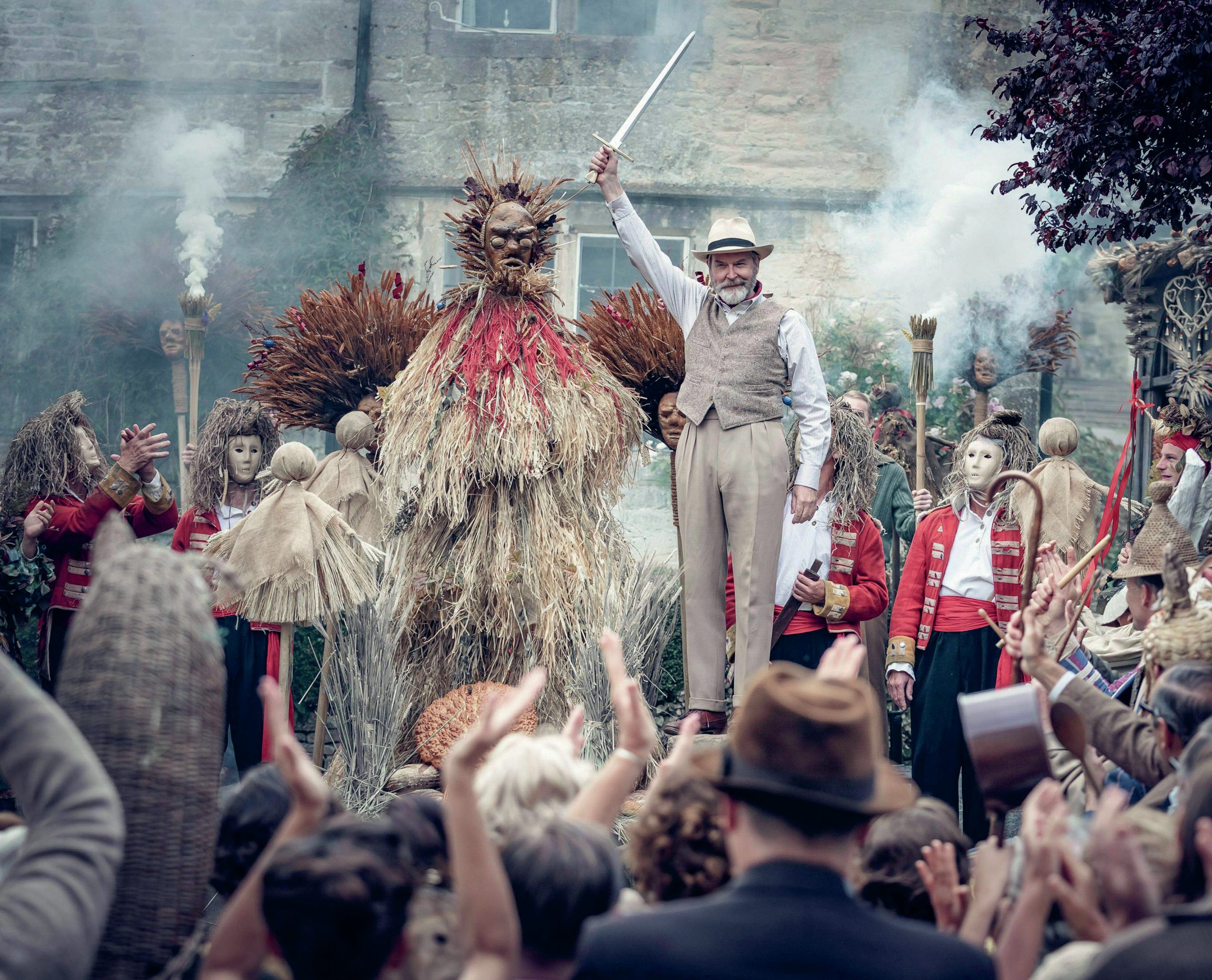
Agatha Christie’s The Pale Horse (1961) is a study of evil. The title comes from the New Testament Book of Revelation (6.8), heralding the arrival of the last and most terrible of the Four Horsemen of the Apocalypse at the end of the world: ‘And I looked, and behold a pale horse: and his name that sat on him was Death, and Hell followed with him.’ A mash-up of genres including folk horror, supernatural thriller and puzzle mystery, there is evidence that the novel has helped to solve several real-life poisonings. After 40 years of experimentation within the crime genre, Christie tested the format’s limits again by amalgamating ancient and modern, supernatural and scientific. As one character puts it, ‘The old magic and the new. The old knowledge of belief, the new knowledge of science. Together, they will prevail’ (Ch. 17). The Pale Horse is a crime novel steeped in witchcraft — an innovative late-career revision of Christie’s secret sauce.
Your organisation does not have access to this article.
Sign up today to give your students the edge they need to achieve their best grades with subject expertise
Subscribe