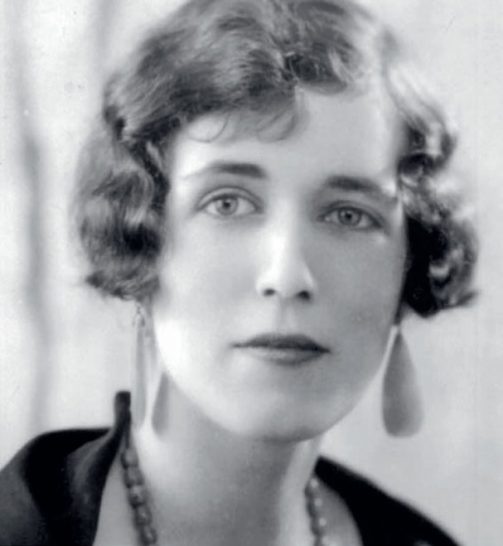
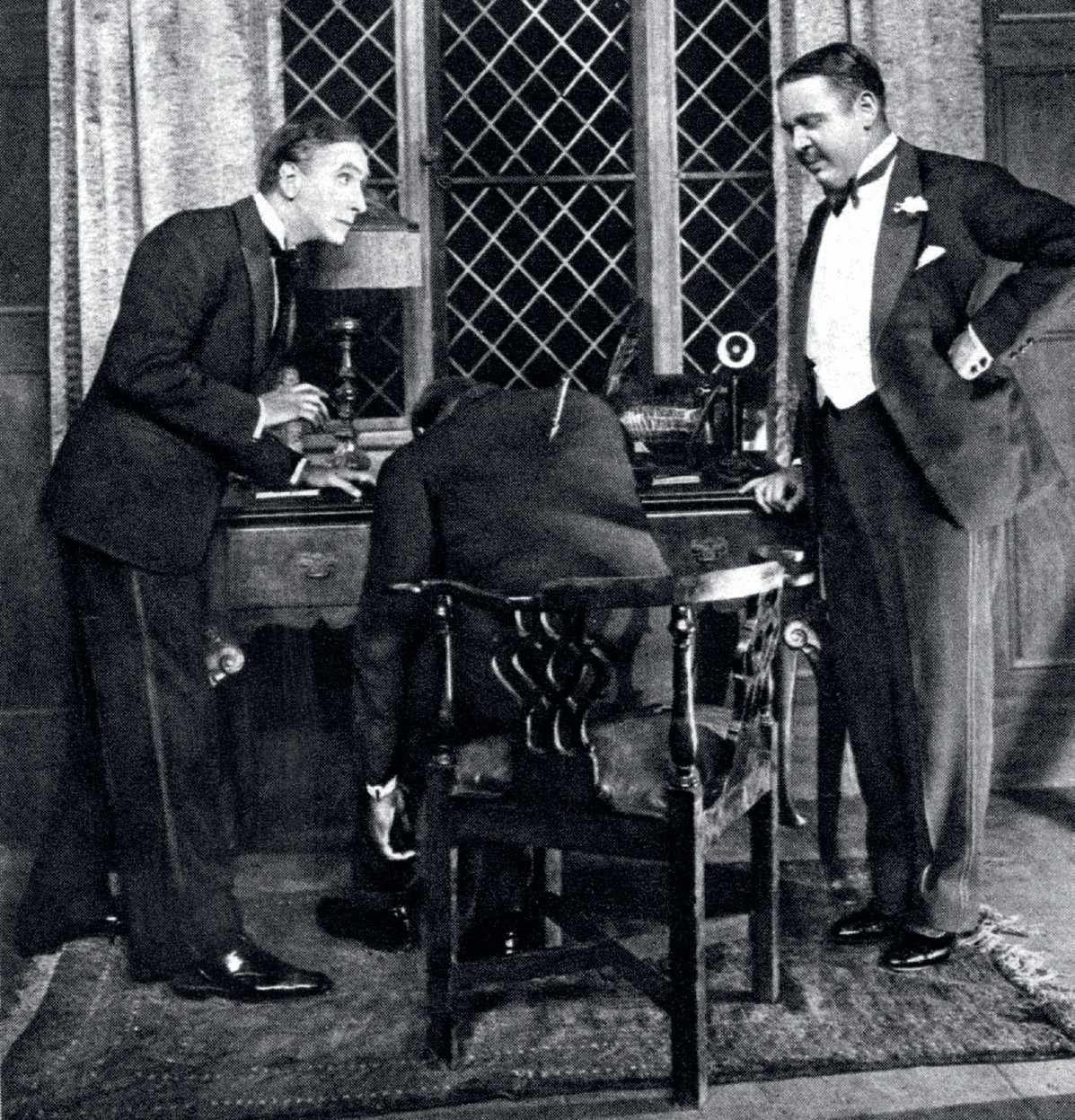
Although Agatha Christie was a popular crime novelist when The Murder of Roger Ackroyd appeared in 1926, no one was expecting such a narrative tour de force. The novel supercharged her reputation as the ‘Queen of Crime’, was the first must-read text of the Golden Age of detective fiction, and made the puzzle mystery one of the pre-eminent popular cultural products of the interwar years, perhaps rivalled only by Hollywood cinema.
The village is not only where the crime’s causes and motives are hidden, but also the nerve centre of the surveillance network that will ultimately expose them. In Snobbery with Violence (1971), Colin Watson uses the synecdoche ‘Mayhem Parva’ to expose the classic ‘cosy crime’ setting as a toxic snake pit of greed, pride, jealousy, lust and murder. Roger Ackroyd predates Poirot’s trademark elegant travelogue mysteries — Murder on the Orient Express, Death on the Nile, Murder in Mesopotamia et al — by nearly a decade. Poirot is arguably parking his tank on Miss Marple’s village lawn when he retires (temporarily) to King’s Abbot to grow vegetable marrows; her first appearance in print came just a year later, in 1927, with the publication of ‘The Tuesday Night Club’ short-story collection.
Your organisation does not have access to this article.
Sign up today to give your students the edge they need to achieve their best grades with subject expertise
Subscribe