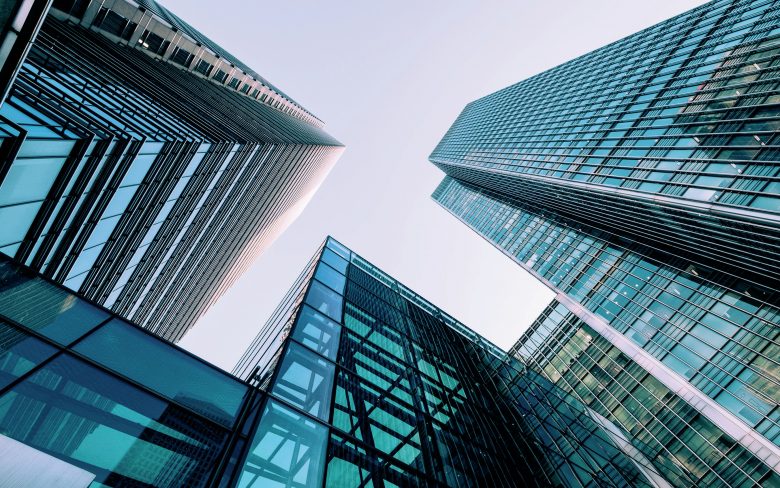
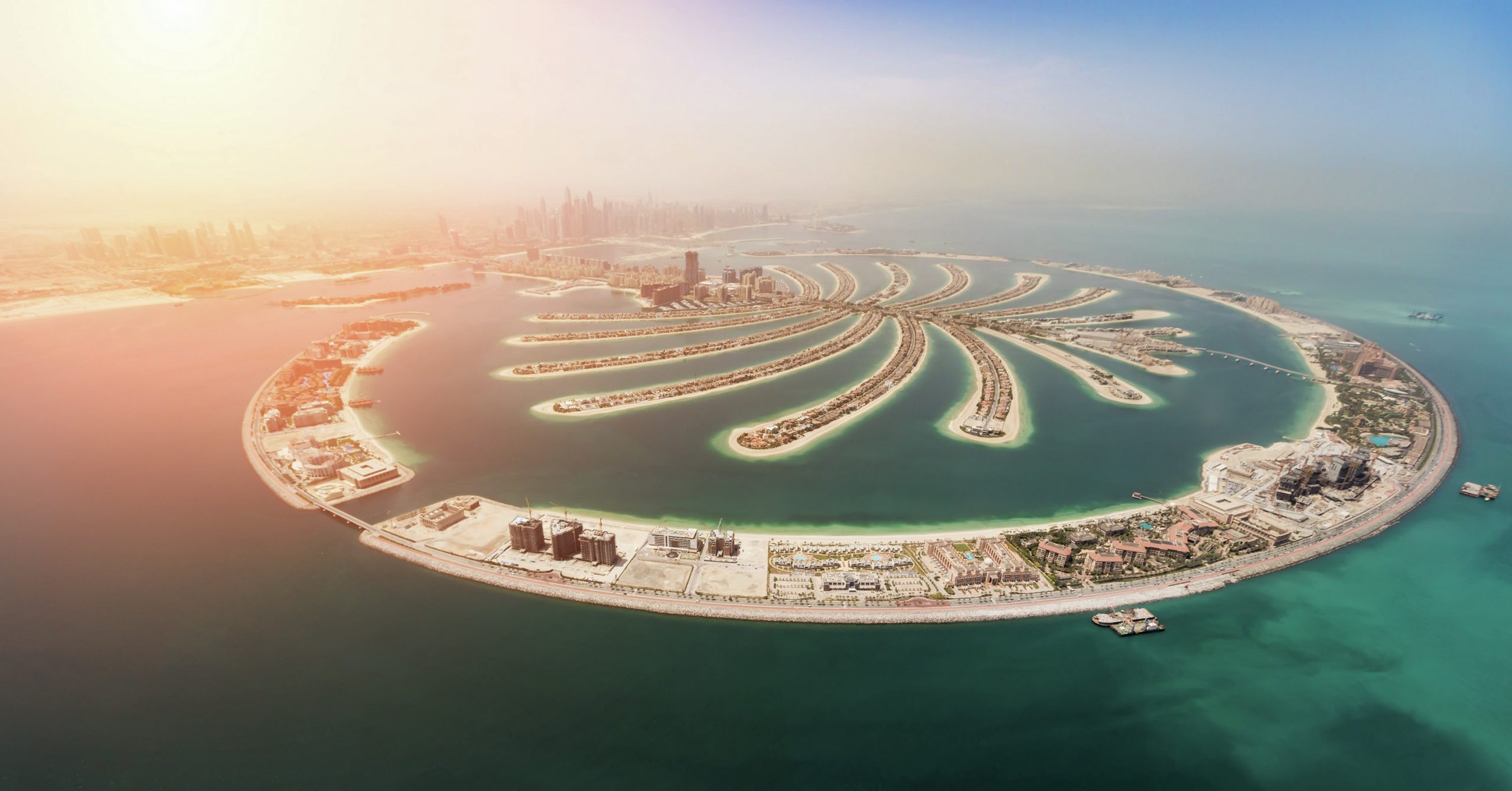
Despite being surrounded by sand, Dubai relies on imported sand for many of its buildings and infrastructure projects
© Jag_cz/stock.adobe.com
market failure, cost–benefit analysis, government intervention, environmental economics
The importance of sand as a natural resource is often underestimated. Sand is the second most consumed raw material after water. It is heavily used by the construction industry for houses and infrastructures such as roads or bridges. It is also a key material for electronics such as semiconductor chips and for the manufacturing of glass products. It is even used to aid the extraction of oil through fracking.
Your organisation does not have access to this article.
Sign up today to give your students the edge they need to achieve their best grades with subject expertise
Subscribe