
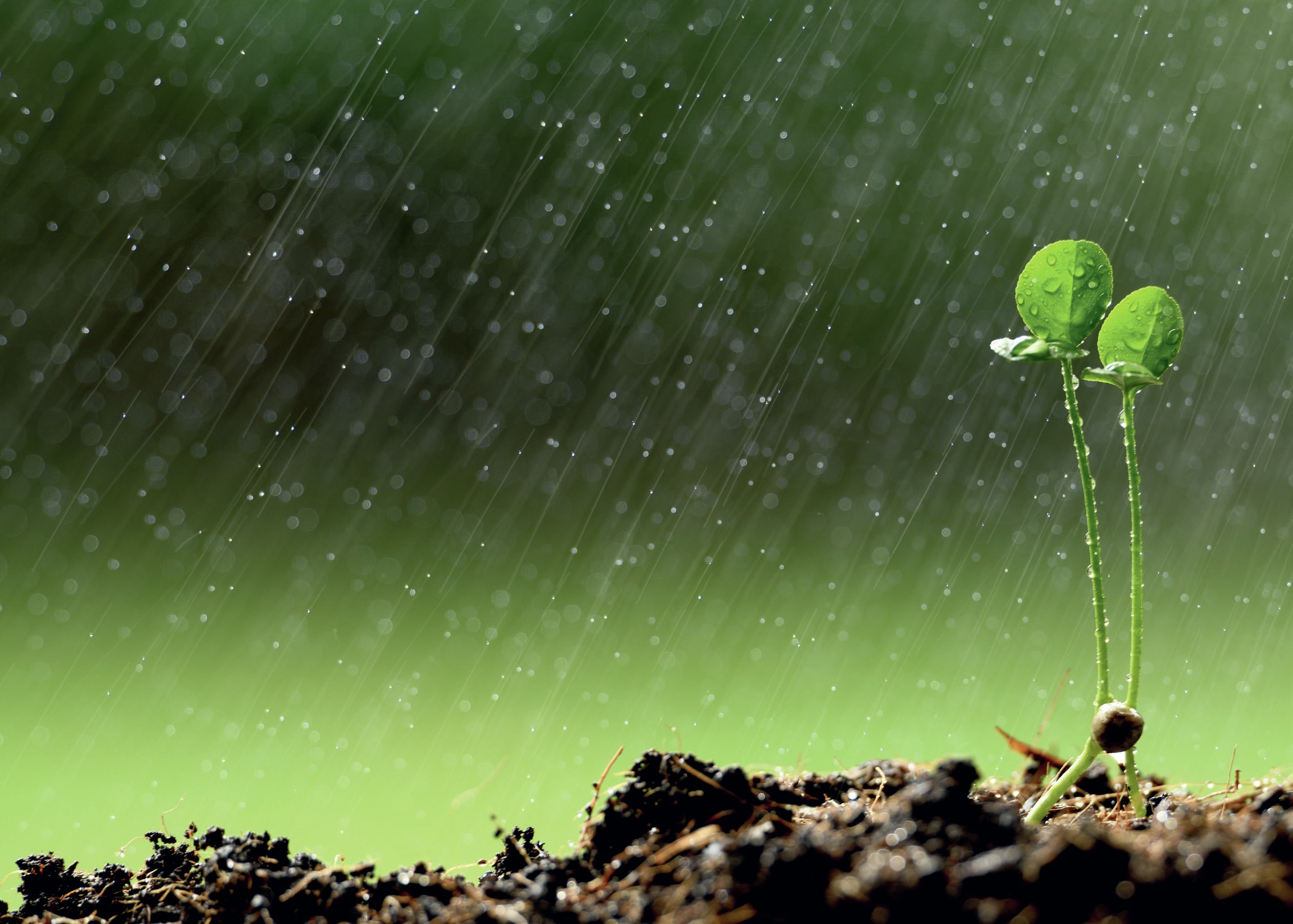
Waking up on a summer’s morning after a night of rainfall, you step outside and take a breath. What do you smell? That distinctive, earthy scent rising from the damp ground often brings a wave of nostalgia or calm. This is the unmistakable smell of rain, called petrichor. But what exactly causes this familiar aroma?
At the heart of this scent is a molecule called geosmin. Geosmin is a bicyclic alcohol with the molecular formula C12H22O (Figure 1). Its structure includes two fused carbon rings, a single hydroxyl group (–OH) and two methyl side chains. Geosmin is produced by certain soil-dwelling bacteria, such as Streptomyces, and is released into the air when raindrops disturb the soil surface.
Your organisation does not have access to this article.
Sign up today to give your students the edge they need to achieve their best grades with subject expertise
Subscribe