
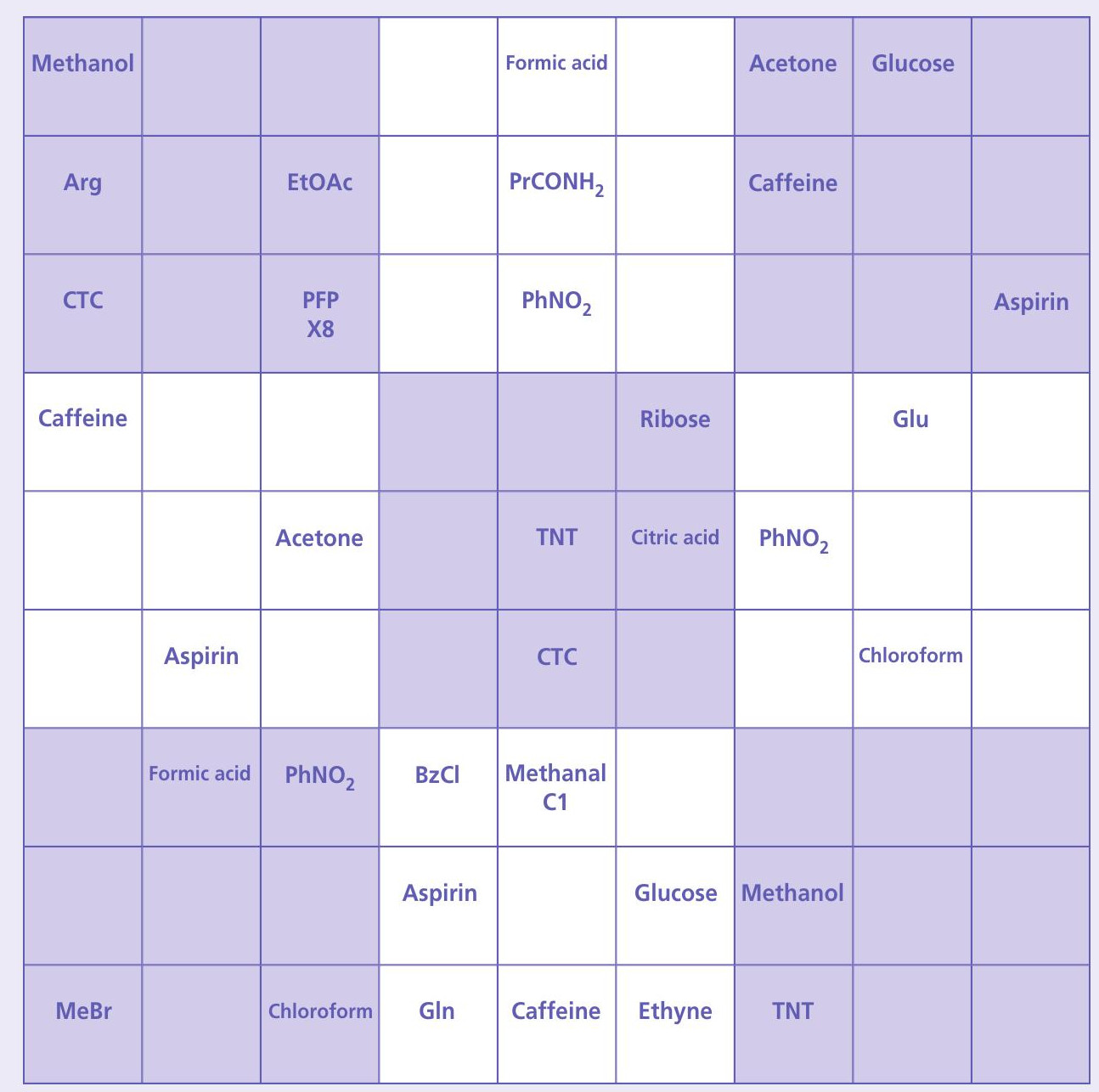
In organic chemistry, learning how to name compounds using systematic nomenclature (IUPAC rules) is essential for clear and accurate communication. Systematic names provide detailed information about a molecule’s structure, including the number of carbon atoms, the types and positions of functional groups, and how the atoms are connected.
Many compounds are also known by common (or trivial) names that are historically or practically used in laboratories, industry and everyday life. For instance, acetic acid is the common name for ethanoic acid. Understanding both naming systems helps chemists to connect textbook learning with real-world applications, especially when reading scientific literature or safety data sheets, where common names are often used.
Your organisation does not have access to this article.
Sign up today to give your students the edge they need to achieve their best grades with subject expertise
Subscribe