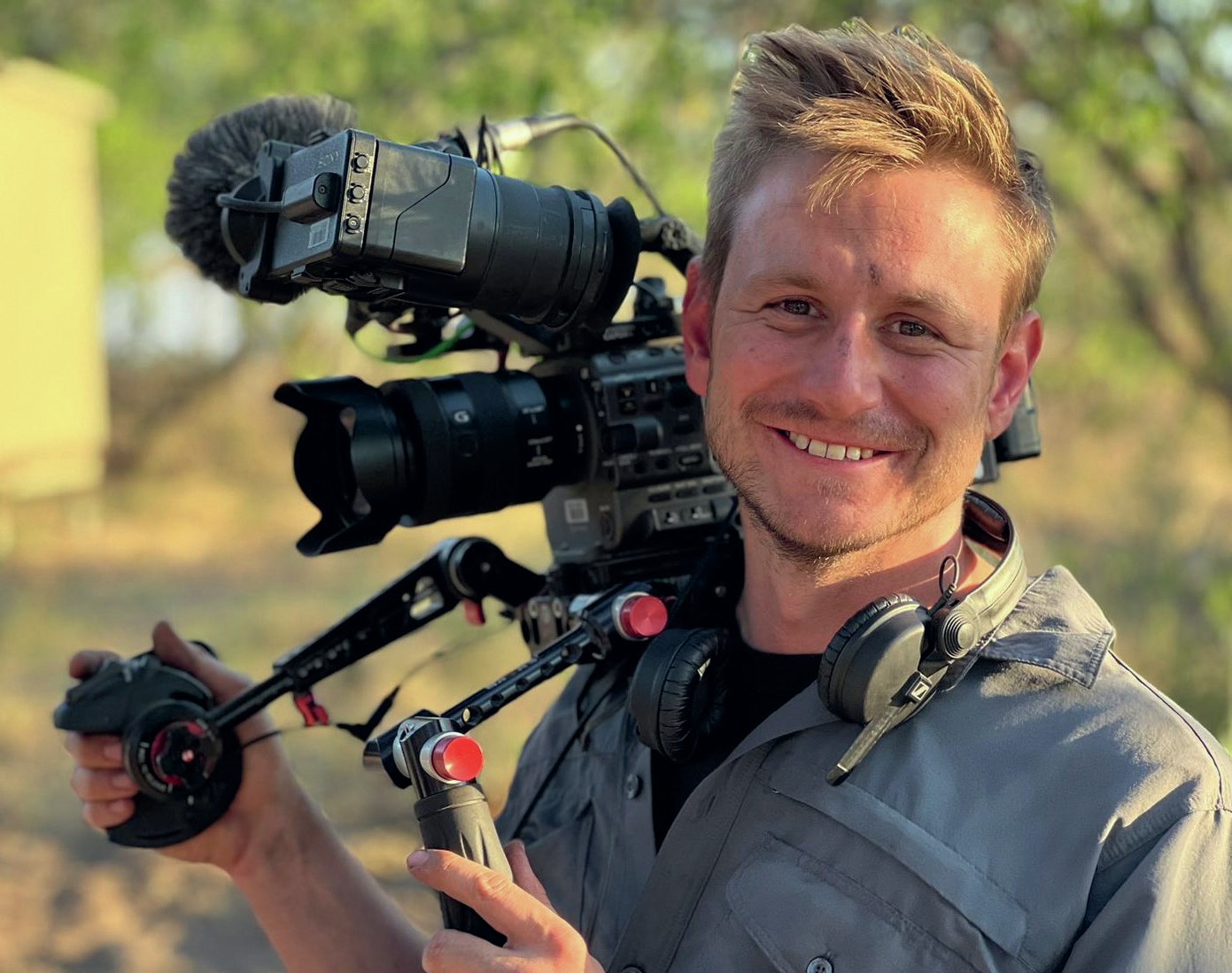
I always knew I wanted to work in television, but when I was younger I had no idea how natural history documentaries were actually made. After 7 years at the BBC, I am here to tell you about the exciting careers available in natural history television, and how you might get started. What jobs are available? What do they involve? What skills are needed? And how do you get into the industry?
Broadly, careers in natural history television can be grouped into three categories: editorial, production management and camera (see Table 1). These are not distinct or rigid categories, and many roles overlap. Indeed, many people move between them over the course of their careers.
Your organisation does not have access to this article.
Sign up today to give your students the edge they need to achieve their best grades with subject expertise
Subscribe